What Is a Marine Level Sender? Fuel Level Monitoring Guide | Aslantaş Group
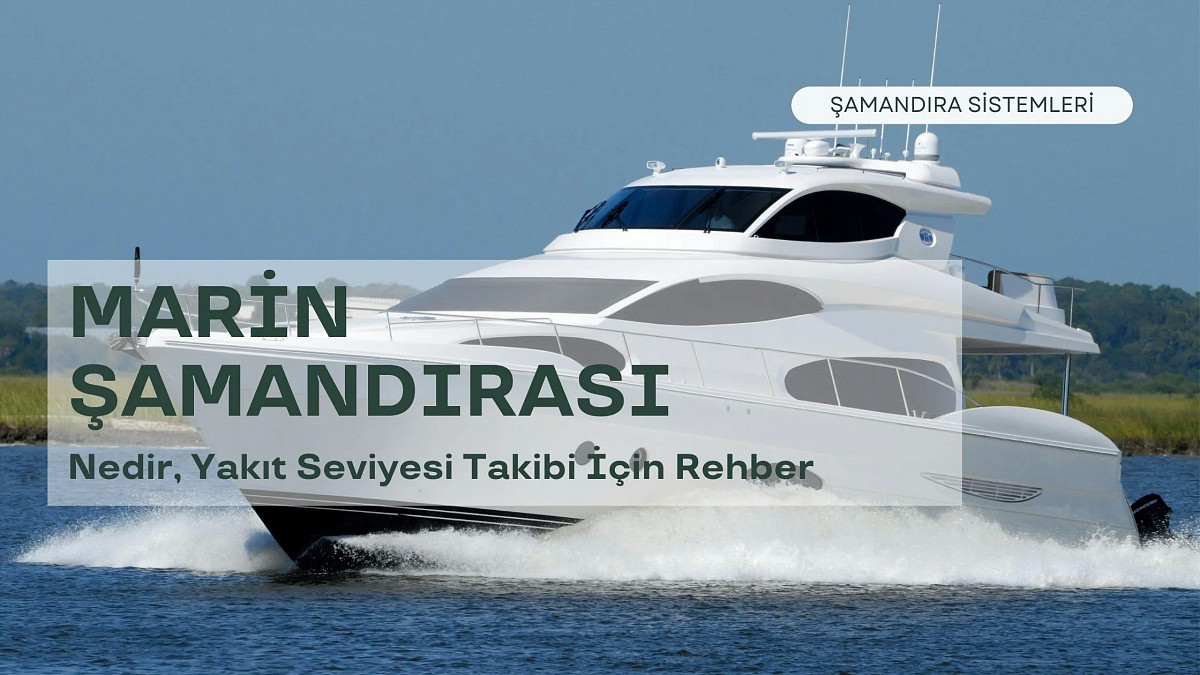
For marine vessels (boats, yachts, etc.), measuring the fuel level safely and accurately is critical to navigation safety. The marine level sender comes into play here: thanks to its special design, it enables accurate fuel monitoring even in harsh sea conditions. In this article, we examine in detail what a marine level sender is, how it works and what advantages it offers.
What Is a Marine Level Sender?
A marine level sender is a special fuel level measurement sensor used on boats, yachts and watercraft. It is made from materials resistant to the salty and humid conditions of the marine environment and is usually IP67/IP68 rated.
Features of Marine Level Senders
Corrosion-resistant materials (stainless steel, plastic composites)
Waterproofing (IP67/IP68)
Magnetic or ultrasonic operating principle
Outputs compatible with digital and analog gauge panels
How Does It Work?
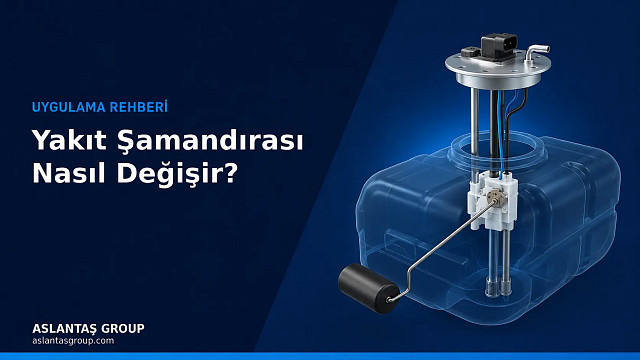
Marine level senders detect the liquid level inside the tank. The change in liquid level is measured by:
A mechanical arm,
A magnetic ring,
Or an ultrasonic sensor.
This data is sent to the gauge, giving the captain real-time information about the fuel level.
Why Use a Marine Level Sender?
Provides stable measurement despite waves, tilt and vibration.
Eliminates the risk of running out of fuel.
Long-lasting and requires low maintenance.
Improves engine efficiency and safety.